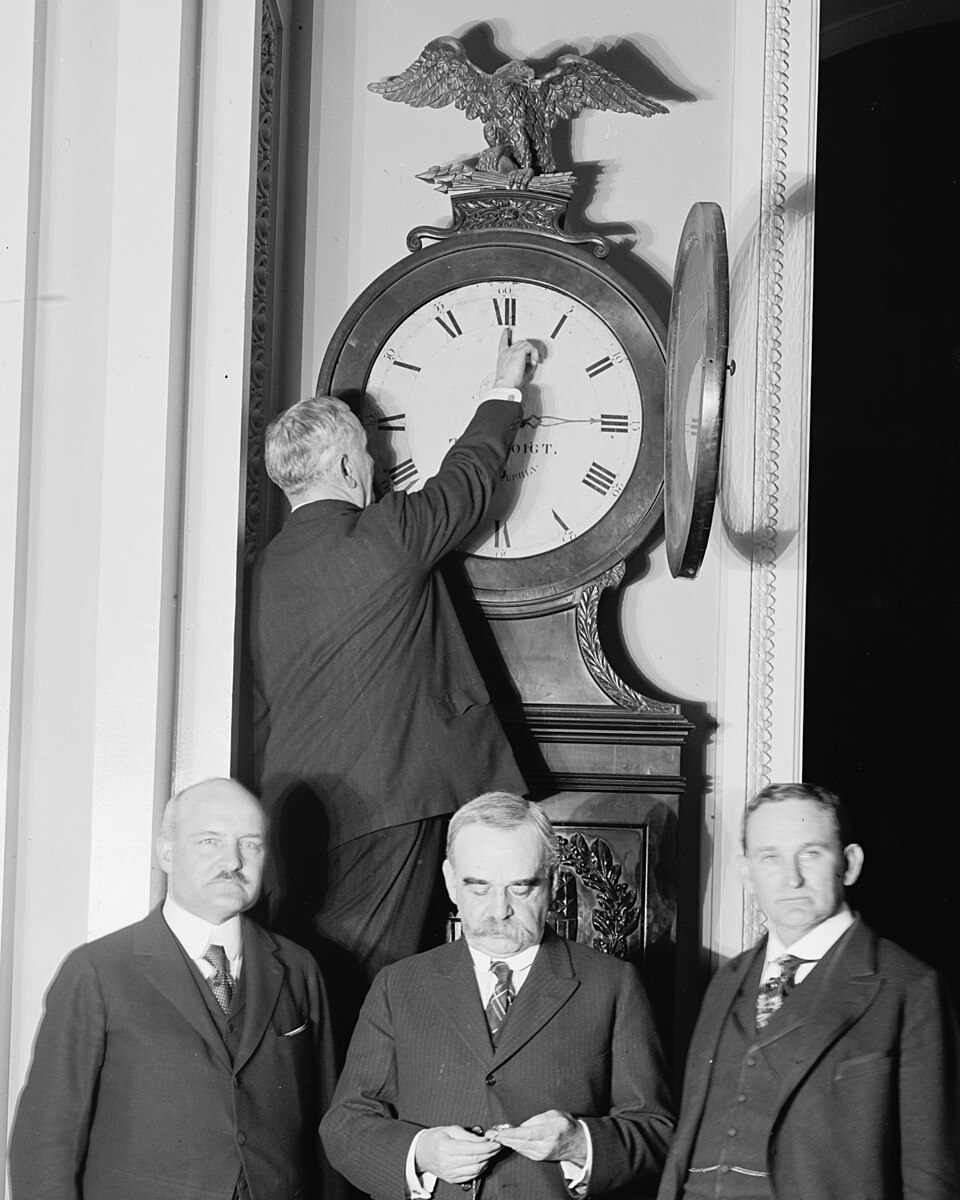
Daylight Saving Time 2026: When to Spring Forward & Fall Back
As 2026 approaches, many of us will once again prepare for the familiar ritual of adjusting our clocks for Daylight Saving Time. This biannual shift, often referred to as "spring forward" and "fall back," impacts daily routines, sleep patterns, and even our perception of daylight hours. If you're wondering
When Does The Time Change 2026, you've come to the right place. This comprehensive guide will cover everything you need to know about the upcoming time changes, including exact dates, what to expect, and practical tips for a smooth transition.
The practice of Daylight Saving Time (DST) involves moving clocks forward by one hour during warmer months so that evening daylight lasts longer, and then setting them back as winter approaches to revert to standard time. While its origins are rooted in efforts to conserve energy and optimize daylight, the custom continues to spark debate, with some advocating for its abolition and others defending its perceived benefits. Regardless of your stance, understanding the schedule for 2026 is essential for staying on time.
Understanding Daylight Saving Time 2026: Key Dates and Mechanics
For most regions that observe it, Daylight Saving Time spans approximately eight months of the year. In 2026, this period will begin in early March and conclude in early November.
The first crucial date to mark on your calendar is
Sunday, March 8, 2026. This is when we will "spring forward." At 2:00 a.m. local standard time, clocks will officially jump ahead by one hour, instantaneously becoming 3:00 a.m. local daylight time. The immediate consequence of this shift is the loss of an hour of sleep for those observing the change. While the jump can feel abrupt, the payoff is more daylight in the evenings, allowing for extended outdoor activities and a brighter end to the day.
The return to standard time occurs on
Sunday, November 1, 2026. On this day, we will "fall back." At 2:00 a.m. local daylight time, clocks will revert to 1:00 a.m. local standard time. This change grants an extra hour, which many appreciate for additional sleep or leisure. The shift also means that sunrises will occur earlier, and sunsets will arrive sooner, particularly noticeable in the late afternoon. This marks the end of DST for the year, ushering in the shorter daylight hours of autumn and winter.
To help visualize this:
- Spring Forward (March 8, 2026):
- At 2:00 a.m. local standard time, clocks advance to 3:00 a.m.
- You lose one hour.
- More light in the evening.
- Fall Back (November 1, 2026):
- At 2:00 a.m. local daylight time, clocks move back to 1:00 a.m.
- You gain one hour.
- More light in the morning.
It's important to note that while the official change happens at 2:00 a.m., you can often adjust manual clocks (like those on ovens or older alarm clocks) before going to bed on Saturday night, March 7th, or Saturday night, October 31st, to avoid confusion the following morning. Most modern digital devices, such as smartphones and computers, will update automatically.
When Does The Time Change 2026 in the United States?
For the vast majority of the United States, the pattern for Daylight Saving Time remains consistent: clocks "spring forward" on the second Sunday in March and "fall back" on the first Sunday in November. This holds true for 2026, with the dates March 8th and November 1st aligning perfectly with this tradition.
Most U.S. states and territories observe DST, including populous regions like California, Texas, New York, Florida, and the entire Eastern seaboard. However, there are significant exceptions within the U.S. where the time change does not occur:
- Arizona: With the exception of the Navajo Nation, Arizona does not observe Daylight Saving Time. The state remains on Mountain Standard Time year-round.
- Hawaii: Due to its proximity to the equator and relatively consistent daylight hours throughout the year, Hawaii also does not observe DST.
- U.S. Territories: Puerto Rico, the U.S. Virgin Islands, Guam, and American Samoa all maintain standard time year-round.
These exceptions highlight the varied local preferences and geographical considerations that influence DST adoption. The ongoing national debate surrounding Daylight Saving Time includes proposals to make it permanent, either as permanent standard time or permanent daylight time. Proponents of ending the biannual change often cite potential health impacts from sleep disruption, while advocates for permanent DST point to economic benefits and reduced energy consumption. As of 2026, however, the existing schedule remains in effect for most of the country.
For a deeper dive into how this change affects your daily routine, including whether you gain or lose an hour, check out our related article:
Daylight Saving 2026: Will You Gain or Lose an Hour?
Preparing for the 2026 Time Changes: Tips for a Seamless Transition
The shifts associated with Daylight Saving Time, particularly the "spring forward," can disrupt sleep patterns and routines. However, with a little preparation, you can minimize the impact and transition smoothly.
For the "Spring Forward" (March 8, 2026):
- Adjust Gradually: In the days leading up to March 8th, try going to bed 15-30 minutes earlier each night. This can help your body adjust more gently to the loss of an hour.
- Prioritize Sleep: Ensure you get adequate rest in the week before the change. A well-rested body handles time shifts better.
- Update Manual Clocks: Remember to manually set clocks on appliances (like ovens, microwaves, and coffee makers) and older alarm clocks forward by one hour before going to bed on Saturday, March 7th. Your smartphone, computer, and smart devices will likely adjust automatically.
- Plan Your Morning: Be mindful that Sunday, March 8th, will effectively start an hour earlier. If you have any Sunday morning commitments, double-check the time and plan accordingly.
- Embrace the Light: Take advantage of the extra evening daylight. Spend time outdoors, which can also help regulate your body's circadian rhythm.
For the "Fall Back" (November 1, 2026):
- Enjoy the Extra Hour: This change is generally easier, as you gain an hour. You can use it for extra sleep, a leisurely morning, or to catch up on tasks.
- Safety Check: The "fall back" is often a good reminder to change the batteries in your smoke and carbon monoxide detectors.
- Prepare for Earlier Sunsets: With the change, evenings will become darker sooner. Adjust your outdoor lighting or schedule if needed.
- Verify Automatic Updates: While most devices will revert automatically, it's still a good idea to quickly check your phone or computer on Sunday morning, November 1st, to confirm the time is correct.
Staying aware of these key dates and making small adjustments can make a big difference in how you experience the 2026 time changes. For a comprehensive overview of the specific start and end dates in the U.S., our article
DST 2026: Key Dates for the US Time Change (March 8 & Nov 1) provides all the essential details.
A Glimpse Beyond Borders: Global Perspectives on DST
While the primary focus for many in North America is on the U.S. schedule, it's worth remembering that Daylight Saving Time is not a universal practice. Many countries around the world do not observe DST at all, maintaining a consistent time zone throughout the year.
For instance, several countries in Africa, Asia, and South America have opted out of the practice, deeming it unnecessary or too disruptive for their regions. From the reference context, we know that countries like Indonesia, with its vast archipelago and relatively stable daylight hours, do not implement DST. This means that regions like Jakarta will not experience the "spring forward" or "fall back" in 2026, maintaining a steady time.
Even among countries that do observe DST, the start and end dates can vary. European countries, for example, typically begin DST on the last Sunday in March and end it on the last Sunday in October, differing from the U.S. schedule. This global patchwork of time changes often leads to complexities for international travelers and businesses, highlighting the diverse approaches to daylight optimization across the globe.
Conclusion
As we look ahead to 2026, the tradition of Daylight Saving Time will once again prompt us to adjust our clocks. The key dates to remember are
Sunday, March 8, 2026, when we will "spring forward" and lose an hour, and
Sunday, November 1, 2026, when we "fall back" and gain an hour. Understanding these dates, knowing if your region observes DST, and taking proactive steps can help ensure a smooth transition.
Whether you're a fan of the extra evening light or prefer a consistent standard time, the time change is an annual event that impacts millions. Mark your calendars, set your reminders, and prepare for the slight shift in your daily rhythm as
When Does The Time Change 2026 becomes a reality. The debate over its future may continue, but for now, knowing the dates and preparing effectively will keep you synchronized with the times.