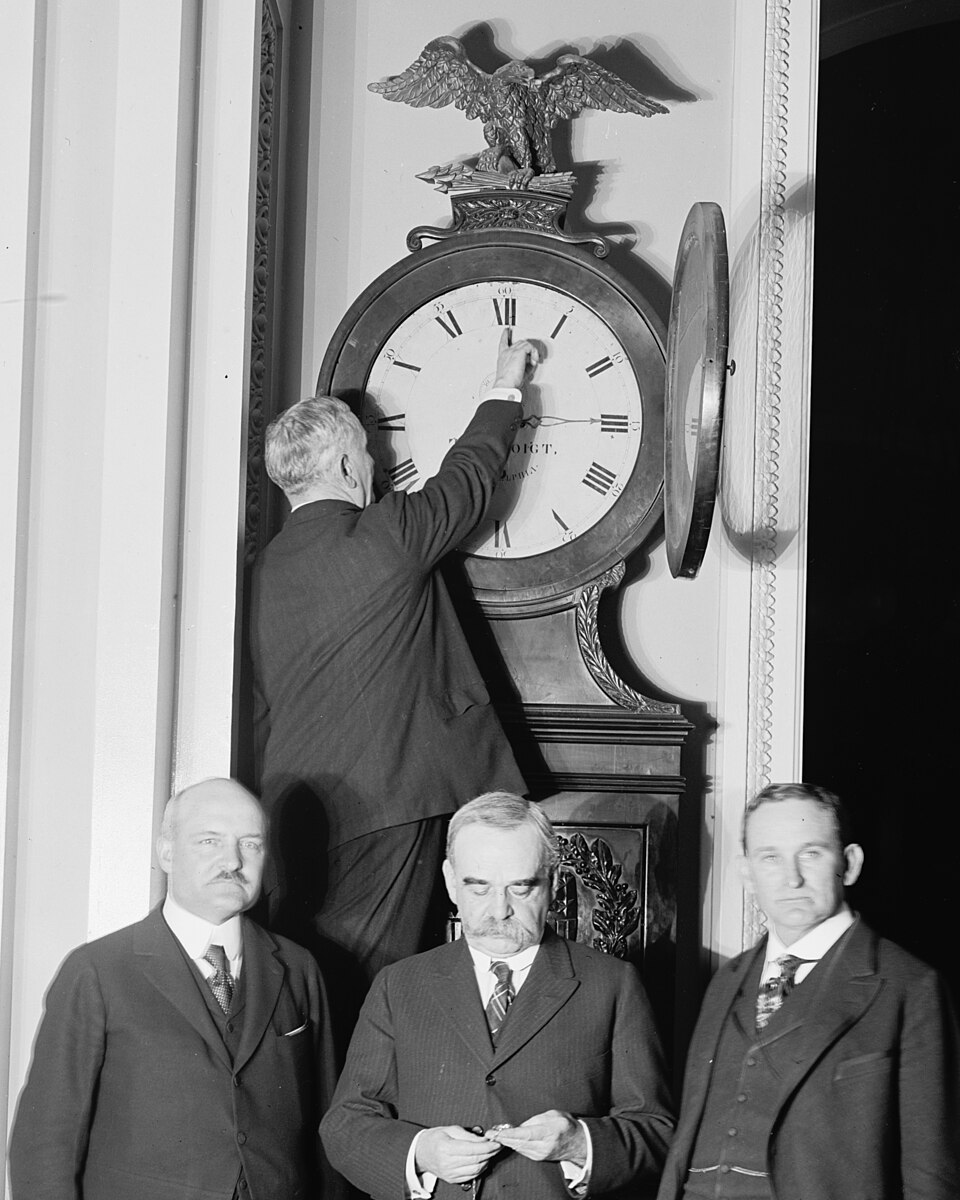
Daylight Saving 2026: Will You Gain or Lose an Hour? Understanding the Annual Time Shift
The annual ritual of adjusting our clocks for Daylight Saving Time often brings with it a mix of anticipation and confusion. For many, the burning question revolves around whether they’ll be "gaining" an extra hour of sleep or "losing" a precious sixty minutes. As we look ahead to 2026, understanding
When Does The Time Change 2026 is key to preparing for these transitions and minimizing their impact on your daily routine.
Daylight Saving Time (DST) is a practice observed in many parts of the world, including the majority of the United States, where clocks are adjusted forward by one hour in the spring and backward in the fall. The primary aim is to make better use of natural daylight, shifting an hour of daylight from the morning to the evening during warmer months. While the concept has historical roots in energy conservation and maximizing productivity, it continues to spark debate and discussion about its relevance and effects in modern society.
When Exactly Does the Time Change in 2026? Key Dates for Your Calendar
To answer the central question of
When Does The Time Change 2026, mark these two crucial dates on your calendar:
- Spring Forward (Losing an Hour): Daylight Saving Time 2026 officially begins on Sunday, March 8, 2026. At 2:00 a.m. local standard time, clocks will abruptly "spring forward" to 3:00 a.m. local daylight time. This means you will effectively lose an hour of sleep or leisure on this particular morning.
- Fall Back (Gaining an Hour): Daylight Saving Time 2026 concludes on Sunday, November 1, 2026. At 2:00 a.m. local daylight time, clocks will "fall back" one hour to 1:00 a.m. local standard time. This is the change that grants most people an extra hour, often perceived as a bonus hour of sleep or an extended Sunday morning.
For approximately eight months, from early March to early November, regions observing DST will be operating on daylight saving time. Most modern devices like smartphones, computers, and smartwatches will automatically adjust, but it's always wise to manually check analog clocks or devices that don't connect to the internet to avoid any time-related mishaps.
Spring Forward: The Impact of Losing an Hour and How to Adjust
The "spring forward" transition on March 8, 2026, marks the beginning of longer evenings and more daylight later in the day. While this shift is welcomed by many for outdoor activities and post-work recreation, it comes at the cost of an hour of sleep. Waking up on that Sunday morning, it will already be an hour later than your body clock expects, potentially leading to a feeling of grogginess or disorientation often referred to as "social jet lag."
The immediate effects can include:
- Reduced sleep duration the night of the change.
- Temporary disruption to sleep-wake cycles.
- A feeling of fatigue or reduced concentration during the day.
To mitigate these effects and ease your transition, consider these practical tips:
- Gradual Adjustment: A few days before March 8th, try going to bed 15-20 minutes earlier each night. This gentle shift can help your body adjust more smoothly.
- Optimize Your Bedroom: Ensure your sleep environment is dark, quiet, and cool. Blackout curtains can be particularly helpful as daylight extends later into the evening.
- Limit Stimulants: Avoid caffeine and alcohol in the hours leading up to bedtime, as they can interfere with sleep quality.
- Morning Light Exposure: On Sunday, March 8th, try to expose yourself to natural light soon after waking. This helps to reset your internal clock.
- Stay Hydrated and Active: Drink plenty of water and engage in light physical activity during the day, but avoid strenuous workouts close to bedtime.
For more detailed guidance on navigating this transition, refer to
Daylight Saving Time 2026: When to Spring Forward & Fall Back.
Fall Back: Making the Most of Your Gained Hour
As the days shorten and winter approaches, the "fall back" transition on November 1, 2026, signals the end of Daylight Saving Time. At 2:00 a.m., clocks revert to 1:00 a.m., gifting an extra hour to those observing the change. This means more light in the mornings, but also earlier sunsets.
The "gained hour" is generally easier for the body to adapt to, as it aligns more closely with our natural circadian rhythms. However, it can still throw off routines if not managed mindfully.
Here's how to make the most of the "fall back" without disrupting your sleep or schedule:
- Catch Up on Sleep: If you've been feeling sleep-deprived, this is a perfect opportunity to get some extra rest. Allow yourself to sleep in a bit longer than usual.
- Establish a New Routine: Use the extra hour to gradually shift your evening activities to accommodate earlier sunsets. This might mean starting dinner or winding down for bed a bit sooner.
- Embrace Morning Light: The earlier sunrise can be a mood booster. Consider a morning walk or having your coffee by a window to soak in the natural light.
- Seasonal Check-ups: The "fall back" is often a reminder to perform household safety checks. It's an excellent time to test smoke detector batteries and carbon monoxide detectors.
- Plan Ahead: Be aware that sunset will be an hour earlier. If you have evening plans that involve outdoor activities or travel, factor in the earlier darkness.
To ensure you're fully prepared for both transitions, don't miss
DST 2026: Key Dates for the US Time Change (March 8 & Nov 1).
The Ongoing Debate: Is Daylight Saving Time Still Relevant?
While millions prepare for
When Does The Time Change 2026, the practice itself faces increasing scrutiny. Originally introduced to save energy during World War I and World War II, and later popularized in the U.S. during the 1970s energy crisis, many argue that the energy-saving benefits are now negligible, or even counterproductive due to increased air conditioning use in warmer evenings.
Arguments in favor of DST often highlight:
- Extended Evening Daylight: More time for outdoor recreation, sports, and social activities after work or school.
- Economic Benefits: Boosts to retail sales and tourism due to more daylight hours in the evening.
- Road Safety: Potentially fewer traffic accidents by shifting daylight to peak commuting hours.
Conversely, critics point to:
- Health Impacts: Studies suggest an increase in heart attacks, strokes, and traffic accidents in the days following the "spring forward" due to sleep deprivation.
- Sleep Disruption: The annual clock change disrupts circadian rhythms, affecting productivity and overall well-being.
- Economic Costs: Loss of productivity, increased energy costs in some sectors, and the logistical burden of adjusting schedules.
- Outdated Rationale: The original energy-saving justifications are largely debated and often disproven by modern research.
In the United States, there have been various legislative attempts, such as the "Sunshine Protection Act," to make Daylight Saving Time permanent. However, these efforts have yet to come to fruition, meaning the cycle of "springing forward" and "falling back" continues for the foreseeable future.
Who Observes Daylight Saving Time in 2026?
Globally, the observance of Daylight Saving Time varies significantly. While many countries in Europe, North America, and parts of the Middle East and Oceania participate, numerous others do not. For instance, the reference context clearly states that Indonesia, including Jakarta Raya, will *not* observe DST in 2026. This highlights the diverse approaches countries take to time management.
Within the United States, the majority of states observe Daylight Saving Time. However, there are notable exceptions:
- Arizona: With the exception of the Navajo Nation (which does observe DST), most of Arizona remains on standard time year-round.
- Hawaii: Due to its proximity to the equator and relatively consistent daylight hours throughout the year, Hawaii does not observe DST.
- U.S. Territories: American Samoa, Guam, Northern Mariana Islands, Puerto Rico, and the U.S. Virgin Islands also do not observe Daylight Saving Time.
This means that for residents in places like Alabama, California, New York, Texas, and countless other states, the dates of March 8th and November 1st, 2026, will involve a clock change. If you are traveling or have contacts in different states or countries, it's always a good idea to confirm local time rules to avoid confusion.
Conclusion
As 2026 approaches, the question of
When Does The Time Change 2026 is quickly answered by the dates March 8th (spring forward) and November 1st (fall back). While the "spring forward" will see you lose an hour, granting longer evenings, the "fall back" will give you an extra hour, leading to brighter mornings. These transitions, though routine for many, continue to spark lively debate about their health impacts, economic efficiency, and overall relevance in our modern world. Whether you embrace the extra evening light or lament the sleep disruption, being prepared for these biannual time shifts is the best way to smoothly navigate the changing seasons and ensure you're always on time.